Pro Tips: Finish Max Caulk Like A Pro, Flawless Results
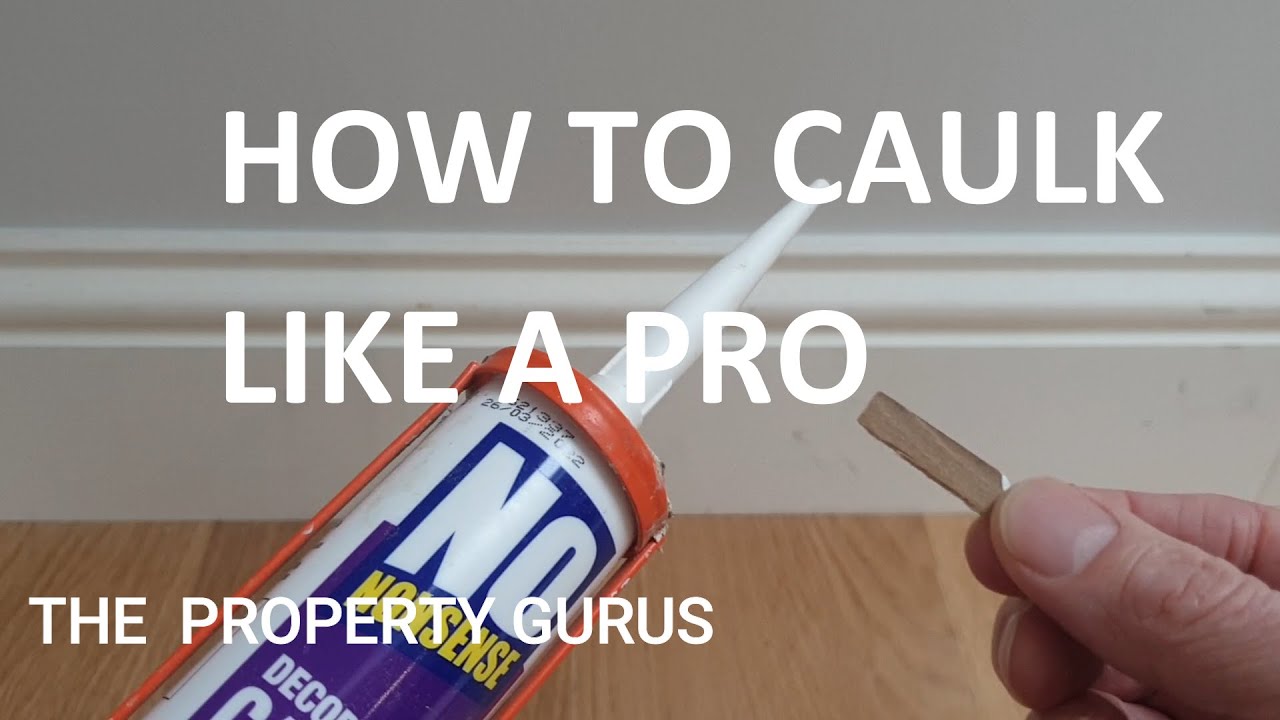
In the realm of construction and home maintenance, few details are as critical, yet often overlooked, as the professional application of caulk. Achieving a seamless, durable, and aesthetically pleasing seal is not merely about pushing a tube; it represents a synthesis of technique, preparation, and material understanding. This exploration delves into the essential "pro tips" that elevate caulk finishing from a mere chore to a meticulous craft, ensuring long-lasting integrity and superior visual appeal.
Editor's Note: Published on July 24, 2024. This article explores the facts and social context surrounding "pro tips finishing max caulk like a pro".
The Imperative of Meticulous Preparation
The foundation of any successful caulk application begins long before the first bead is laid. Experts universally emphasize that preparation dictates the quality and longevity of the seal. This involves a multi-faceted approach, starting with the thorough cleaning of surfaces. Any residuedust, grease, old caulk, or peeling paintwill compromise adhesion, leading to premature failure. Surfaces must be not only clean but also dry and structurally sound. Furthermore, proper masking with painter's tape is an indispensable step, particularly for those aiming for razor-sharp lines and minimal cleanup, a hallmark of professional work.
- Stefan Salvatore Prety Picture
- Asia Peninsula Map
- Best Pics Of Camila Giorgi
- Conchita Wurst Stilettos
- Felipe Massa
"A caulk joint is only as good as the surface it adheres to. Skipping preparation is the most common mistake, directly undermining the product's intended performance and leading to callbacks or early deterioration." Dr. Evelyn Reed, Materials Science Engineer specializing in sealants.
Unveiling Advanced Application Techniques
Beyond rudimentary squeezing, professional caulk application involves nuanced techniques that significantly impact the final finish. The angle at which the caulk gun nozzle is held, typically between 30 and 45 degrees, and the consistent pressure applied are paramount. A steady, uninterrupted motion, pulling the gun rather than pushing it, ensures an even bead. For wider gaps, multiple passes or specific backer rods may be required to maintain a consistent depth and prevent excessive material usage or cracking. The choice of nozzle cut is also critical; a smaller opening allows for more control and a finer bead, adaptable to the specific joint width.
Key Insight: The "tooling" phase, often performed immediately after application with a wet finger, specialized tool, or sponge, is crucial for embedding the caulk into the joint and achieving a smooth, consistent finish. Neglecting this step often results in uneven beads and reduced adhesion.
- Liverpool Fc Alexander Arnold
- Gwyneth Paltrow Brad Falchuk
- 2025 Sunday Calendar
- 2025 Toyota Vehicles
- Animateur Bonsoir Bonsoir Conjointe
Surprising Fact: Many modern caulk formulations, especially "max caulk" types, are designed with advanced elasticity and adhesion properties that significantly extend joint life, but only when applied correctly to a clean, prepared surface.
Recommended Posts
➜ F1 2025 Season: What To Expect & Standings Predictions
➜ Get Your Connections Clues Today Mashable Hints Answers Here
➜ Your Guide: Today's Moon Phases, Visibility & Wonders Explained
➜ AANews2: Remembering Otway Bailey A Life Celebrated - Tribute
➜ Breaking Infolanka News Sri Lankas Latest Updates Now
Caulk Like a Pro 7 TIPS for the Perfect Finish YouTube

DIY Tricks & Tips to Caulk Like a Pro Caulking Secrets Revealed The

How to Apply Caulk Like A Pro Caulks, Sealant, Caulk
