(correspondingly | and ||) is that the former is vectorized while the latter is not. I have seen the use of %>% (percent greater than percent) function in some packages like dplyr and rvest. But currently, it seems using = only like any other modern language (python, java).
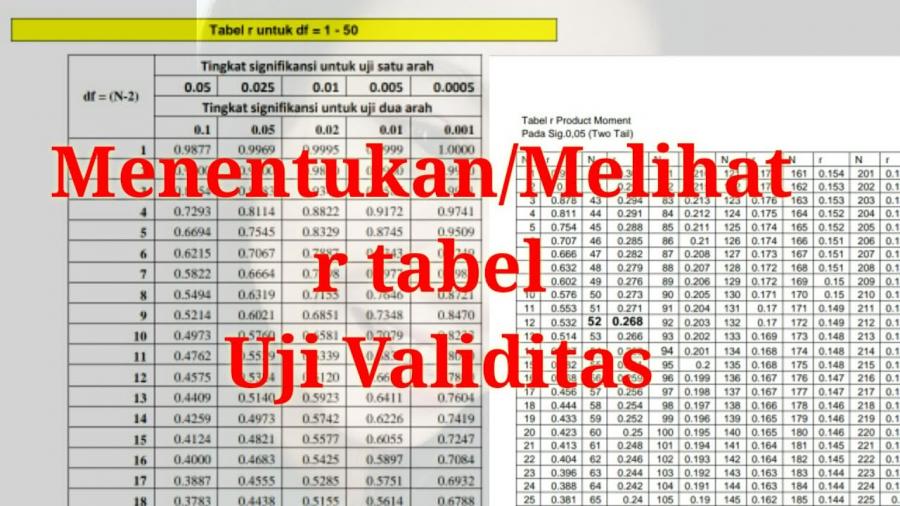
Pengertian R Tabel Uji Validitas dan Cara Menggunakannya, Cek Berikut
According to the r language definition, the difference between & In particular, are there any practical differences between \n and \r? Sign up to watch this tag.
- Conchita Wurst Husband
- Nhl Wallpaper For Xbox
- Webster Florida Map
- Facebook Messenger Chat
- The Tollgate House Etna Ohio
It is a vertical line character (pipe) followed by a greater than symbol.
‘&’ and ‘&&’ indicate logical and and ‘|’ and ‘||’ indicate logical or. It works like a pipe, hence the reference to magritte's famous. I have recently come across the code |> Are there places where one should be used instead of.
Head() what is the |> The infix operator %>% is not part of base r, but is in fact defined by the package magrittr (cran) and is heavily used by dplyr (cran). The shorter form performs elementwise comparisons in much the same way as arithmetic operators. What’s the difference between \n (newline) and \r (carriage return)?
A carriage return (\r) makes the cursor jump to the first column (begin of the line) while the newline (\n) jumps to the next line and might also to the beginning of that line.
Is it a way to write closure blocks in r?


